

Diving into the realm of residential property management, this introduction sets the stage for a deep exploration of the topic. From defining the role of a property manager to discussing the importance of effective management, this overview promises to be both informative and engaging for readers seeking insights into this crucial field.
As we delve deeper into the intricacies of residential property management, we uncover the key responsibilities, challenges, and strategies that shape the success of property managers in today's dynamic real estate landscape.
Definition of Residential Property Management
Residential property management involves overseeing and maintaining residential properties on behalf of the property owner. This includes ensuring the property is well-maintained, managing tenant relations, collecting rent, and handling any repairs or issues that may arise.
Role of a Residential Property Manager
A residential property manager acts as the middleman between the property owner and the tenants. They are responsible for ensuring the property is occupied, collecting rent, handling maintenance and repairs, and addressing any tenant concerns or issues.
- Marketing the property to attract tenants
- Screening potential tenants through background checks and references
- Collecting rent and ensuring timely payment
- Coordinating maintenance and repairs
- Enforcing lease agreements and handling evictions if necessary
Tasks Involved in Residential Property Management
Residential property management includes a variety of tasks to ensure the effective operation of the property and the satisfaction of both the owner and tenants.
Some examples of tasks involved in residential property management include:
- Conducting property inspections
- Handling tenant move-ins and move-outs
- Responding to tenant requests and inquiries
- Ensuring compliance with local housing laws and regulations
- Preparing financial reports for the property owner
Importance of Residential Property Management
Effective residential property management plays a crucial role in ensuring that properties are well-maintained, tenants are satisfied, and property owners can maximize their investment. Good property management can enhance property value significantly, while poor management can have detrimental effects on both tenants and property owners.
Enhancing Property Value
- Regular maintenance and upkeep of the property can help preserve its condition and attractiveness, ultimately increasing its market value.
- Efficient management practices such as timely repairs, upgrades, and renovations can further enhance the property's value over time.
- Professional property management can also help in setting appropriate rental rates, attracting quality tenants, and ensuring high occupancy rates, all of which contribute to the overall value of the property.
Impact on Tenants and Property Owners
- Poor property management can lead to issues such as delayed repairs, unresponsive management, and lack of proper maintenance, resulting in tenant dissatisfaction and turnover.
- For property owners, inadequate management can result in decreased rental income, increased vacancy rates, and even legal liabilities if property regulations are not adhered to.
- On the other hand, effective property management can create a positive living experience for tenants, leading to longer tenancy periods, reduced turnover costs, and ultimately higher returns for property owners.
Responsibilities of a Residential Property Manager

Residential property managers play a crucial role in overseeing and maintaining properties on behalf of owners. They handle various tasks to ensure the smooth operation of residential properties and provide a comfortable living environment for tenants.
Day-to-Day Responsibilities
- Managing rental properties, including advertising vacancies, screening potential tenants, and executing leases.
- Collecting rent payments, handling maintenance requests, and addressing tenant concerns in a timely manner.
- Conducting regular property inspections to ensure compliance with safety regulations and property maintenance standards.
- Coordinating repairs and maintenance work with contractors and vendors to keep the property in good condition.
Legal Obligations
- Ensuring compliance with federal, state, and local landlord-tenant laws to protect the rights of both landlords and tenants.
- Handling evictions in accordance with legal procedures and regulations, if necessary.
- Maintaining accurate records of all financial transactions and lease agreements to prevent legal disputes.
Tenant Relations and Communication Management
- Building positive relationships with tenants by addressing their concerns promptly and effectively.
- Communicating important information to tenants, such as rent due dates, maintenance schedules, and policy changes.
- Resolving conflicts and disputes between tenants in a fair and professional manner.
Maintenance and Repairs in Residential Properties
Regular maintenance of residential properties is crucial to ensure the safety, functionality, and longevity of the property. It helps prevent small issues from turning into costly repairs and maintains the overall value of the property.Property managers play a key role in handling repair requests from tenants in a timely and efficient manner.
They act as the liaison between the tenants and maintenance professionals, coordinating repairs and ensuring that the work is completed to the satisfaction of all parties involved.
Strategies for Cost-Effective Maintenance and Repair Management
- Perform regular inspections to identify maintenance issues early on.
- Prioritize repairs based on urgency and impact on tenant satisfaction.
- Obtain multiple quotes for repair services to ensure competitive pricing.
- Establish relationships with reliable maintenance professionals to expedite the repair process.
- Invest in preventative maintenance to avoid costly repairs in the future.
Tenant Screening and Leasing

When it comes to residential property management, tenant screening and leasing are crucial aspects that can significantly impact the success of your rental property. By carefully selecting tenants and having a well-drafted lease agreement, you can ensure a smooth rental experience for both parties involved.
Tenant Screening Process
- One of the first steps in tenant screening is to require potential tenants to fill out a rental application. This application should include information such as employment history, income verification, rental history, and references.
- Perform a background check on each applicant to verify their identity and check for any criminal history or prior evictions.
- Request a credit report to assess the applicant's financial responsibility and ability to pay rent on time.
- Consider conducting an interview with the applicant to get a sense of their personality and to ensure they will be a good fit for the property.
Significance of a Well-Drafted Lease Agreement
A well-drafted lease agreement is essential in residential property management as it establishes the legal terms and conditions of the rental agreement. It helps protect both the landlord and the tenant by clearly outlining their rights and responsibilities. Important clauses to include in a lease agreement are:
- Rental amount and due date
- Security deposit details
- Rules and regulations of the property
- Responsibilities for maintenance and repairs
- Terms of lease renewal or termination
Tips for Successful Lease Negotiations and Renewals
- Be clear and transparent about the terms of the lease from the beginning to avoid misunderstandings later on.
- Communicate regularly with tenants to address any concerns or issues promptly.
- Consider offering incentives for lease renewals, such as a rent discount or a small upgrade to the property.
- Review and update lease agreements periodically to ensure they are in compliance with current laws and regulations.
Financial Management in Residential Property
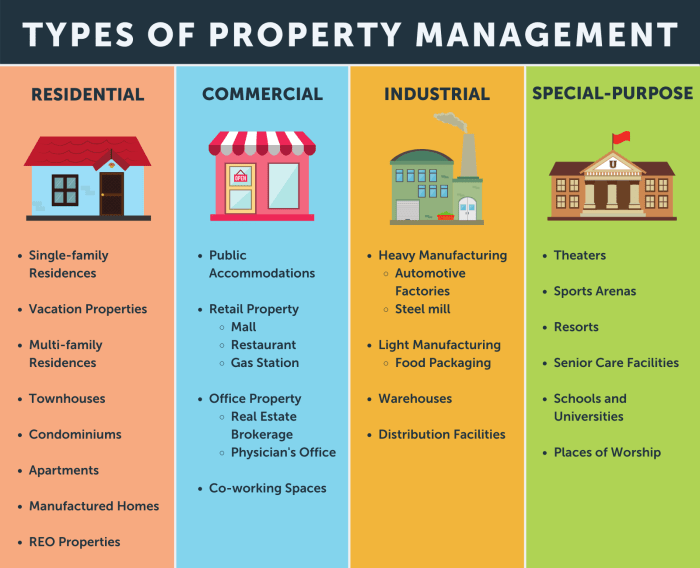
Residential property managers play a crucial role in handling the financial aspects of properties under their care. From rent collection to budgeting, their responsibilities ensure the financial health of the property.
Rent Collection and Late Payments
Rent collection is a primary task for property managers. They set up systems for tenants to pay rent on time and handle any late payments efficiently. Strategies such as offering online payment options, sending reminders, and implementing late fees help ensure consistent cash flow for property owners.
Budgeting and Financial Planning
Effective budgeting is essential for the smooth operation of residential properties. Property managers create budgets that cover expenses such as maintenance, repairs, insurance, and property taxes. They also plan for future expenses, such as renovations or upgrades, to ensure the property remains attractive to tenants and maintains its value over time.
Legal Compliance and Risk Management

Residential property managers have a crucial role in ensuring legal compliance and managing risks associated with property management. By adhering to specific legal requirements and implementing risk mitigation strategies, property managers can protect both the property owners and tenants.
Legal Requirements for Property Managers
- Property managers must comply with federal, state, and local laws and regulations related to property management, including fair housing laws, landlord-tenant laws, and building codes.
- They are responsible for ensuring that the property meets all health and safety standards, such as proper maintenance of the property, smoke detector installation, and safe living conditions for tenants.
- Property managers must handle security deposits in accordance with the law, including timely return of deposits and providing tenants with an itemized list of deductions, if applicable.
Risk Mitigation and Insurance
- Property managers can mitigate risks by conducting regular property inspections to identify potential hazards and address maintenance issues promptly.
- They should carry adequate insurance coverage, such as liability insurance and property insurance, to protect against unforeseen events like property damage, accidents, or lawsuits.
- Implementing thorough tenant screening processes can help reduce the risk of leasing to problematic tenants who may cause damage to the property or violate lease agreements.
Best Practices for Legal Compliance
- Keep detailed records of all transactions and communications related to the property, including lease agreements, maintenance requests, and tenant complaints.
- Stay informed about changes in laws and regulations affecting property management and seek legal advice when necessary to ensure compliance.
- Communicate clearly with tenants about their rights and responsibilities, as well as any changes to lease agreements or property rules to avoid disputes.
Last Word
In conclusion, residential property management is a multifaceted discipline that requires a blend of expertise, empathy, and strategic thinking. By mastering the nuances of this field, property managers can ensure the well-being of tenants, enhance property value, and navigate the complexities of legal compliance with finesse.
Popular Questions
What are the key tasks of a residential property manager?
A residential property manager is responsible for tasks such as rent collection, maintenance coordination, tenant communication, and lease agreement management.
How does effective property management impact property value?
Effective property management can enhance property value by ensuring proper maintenance, timely repairs, and attractive amenities that appeal to tenants.
What legal obligations do property managers have in residential property management?
Property managers have legal obligations to maintain habitable conditions, handle security deposits properly, and comply with fair housing laws.